American Airlines' $1.14B Bond: 32 Aircraft Pledged as Collateral
American Airlines pledges 32 aircraft in a $1.14B bond offering, using aircraft collateral to secure better financing—what it means for investors and ratings.
Page views: 2
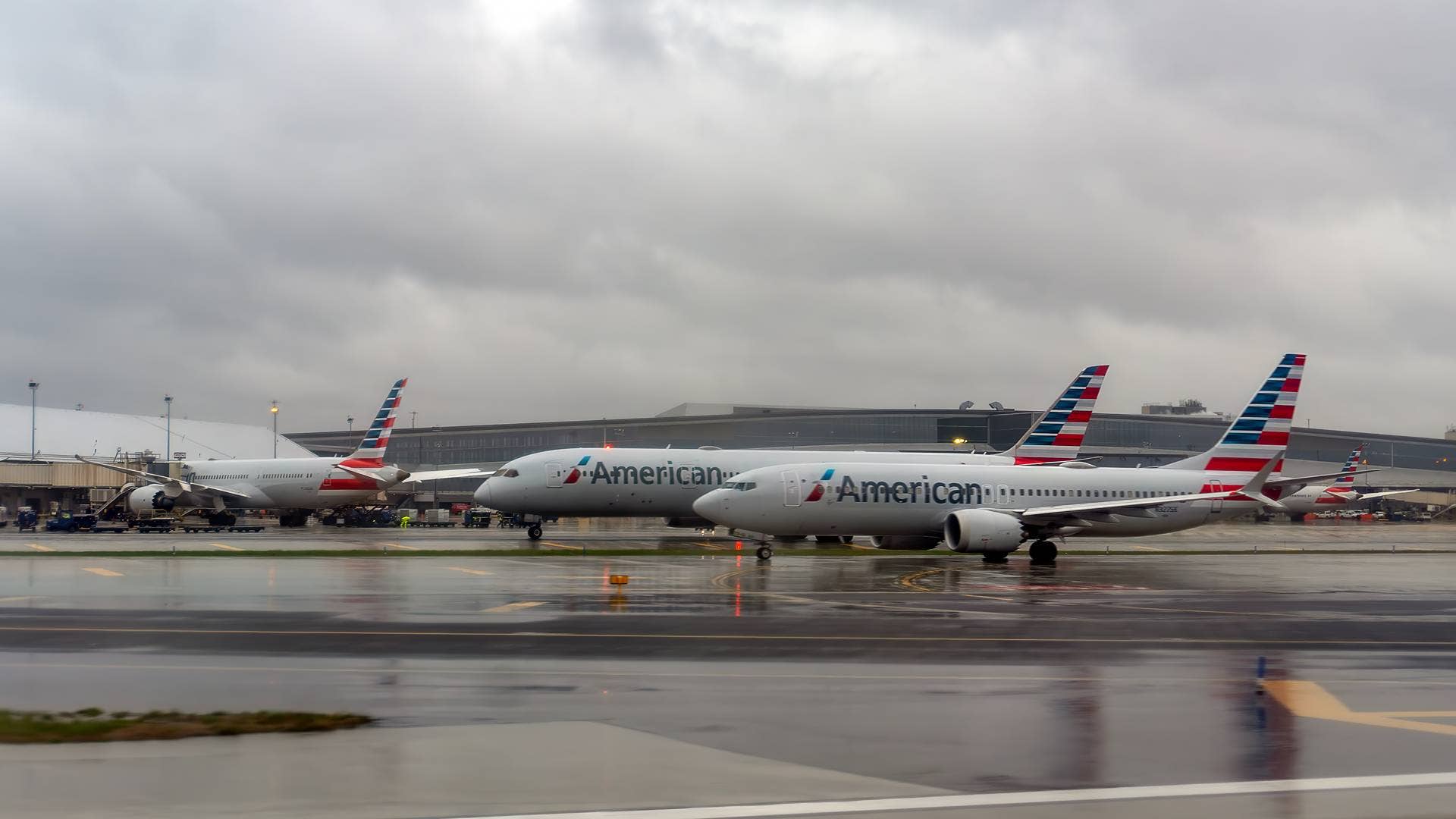
American Airlines has made a high-stakes financial play, launching a $1.14 billion bond offering on April 27 that pledges 32 aircraft as collateral. The Fort Worth-based carrier’s move effectively uses aircraft-backed financing to borrow on terms that may be more favorable than those tied to its unsecured credit rating.
By putting planes on the line, American Airlines signals confidence in the market value of its fleet. Asset-backed bonds — secured debt that uses physical assets like aircraft as collateral — typically carry lower interest rates than unsecured debt because lenders have a claim on tangible assets if the borrower defaults. For an airline operating in a capital-intensive industry, this is a practical way to raise cash while managing borrowing costs and preserving liquidity.
The deal also sends a message to investors and the rating agencies. In effect, American Airlines is saying its airplanes are worth more than its credit rating might imply. That assessment can attract investors who are comfortable with secured exposure to aircraft, while offering the airline a path to financing that sidesteps some of the constraints imposed by a weaker unsecured credit profile.
There are trade-offs. Secured financing reduces the pool of assets available to other creditors and can complicate the company’s capital structure. Lenders gain stronger remedies — including repossession of aircraft — if the airline runs into trouble. For investors, aircraft-backed bonds can be attractive for the additional security, but they also require confidence in aircraft values and the secondary market for used planes.
In the broader context, airlines continue to adapt financing strategies amid fluctuating travel demand and variable interest rate environments. Asset-backed deals like this one can help carriers manage cash needs, refinance existing obligations, or fund fleet strategy without immediately diluting equity or raising unsecured debt.
Ultimately, American Airlines’ $1.14 billion bond offering underscores how airlines leverage fleet value to optimize capital structure. For investors and industry watchers, the move provides a clear example of secured debt’s role in the airline industry and a reminder to assess both the benefits and risks of aircraft-collateralized financing.
Published on: April 30, 2026, 12:11 pm