CEOs Must Stop Downplaying AI Job Impact, Korn Ferry Warns
Korn Ferry warns CEOs who downplay AI's job impact mislead employees. Early- and late-career workers face higher risk; transparency and reskilling matter.
Page views: 2
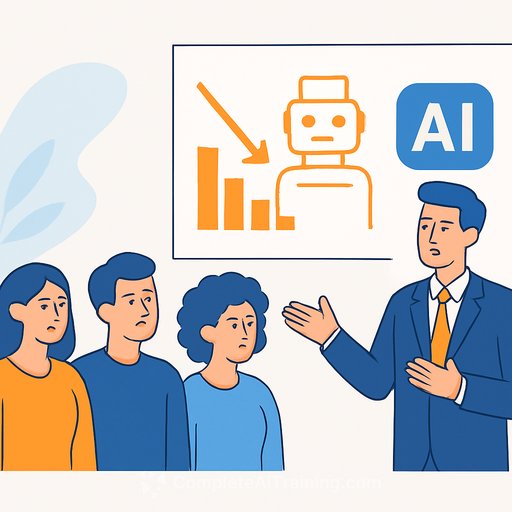
CEOs who minimize AI’s impact on jobs risk eroding trust and leaving employees unprepared, warns Korn Ferry’s head of AI strategy. As automation and generative AI reshape roles across industries, honest communication about the AI job impact is more effective than comforting reassurances that ignore real change.
Korn Ferry’s warning highlights a critical workforce challenge: early- and late-career employees often face the greatest career risk. Early-career workers can be disproportionately affected because they tend to perform routine or entry-level tasks that are more easily automated. Late-career employees may struggle with rapid skill shifts, finding it harder to reskill or pivot into new roles. Both groups need targeted support to navigate the future of work.
When CEOs downplay disruption, organizations miss an opportunity for proactive workforce planning. False reassurance delays investments in reskilling, redeployment, and role redesign. That hesitancy can damage employee morale, increase turnover, and leave companies less competitive when AI adoption accelerates. Transparency about AI’s job impact builds credibility and creates the space for meaningful action.
What should leaders do? First, adopt clear, honest communication about how AI will change jobs in the short and long term. Second, prioritize reskilling and upskilling programs tailored to the needs of vulnerable groups—especially early- and late-career staff. Third, embed workforce planning into business strategy so automation is paired with human-centered redesign, not just cost-cutting.
Employees also have agency: seek training opportunities, document transferrable skills, and engage in conversations with managers about career pathways as AI changes work. Organizations that foster continuous learning and offer transparent career roadmaps will retain talent and adapt faster.
The takeaway is straightforward: honesty beats false reassurance. CEOs who acknowledge AI’s job impact and invest in people-first strategies can turn disruption into a competitive advantage. For the future of work, transparent leadership, targeted reskilling, and thoughtful workforce planning will determine who thrives in an AI-driven workplace.
Published on: June 4, 2026, 12:11 pm