Indiana AG Todd Rokita Seeks Court Block on 2028 Rockport Coal Unit Retirement
Indiana AG Todd Rokita asks a federal judge to block the 2028 retirement of the Rockport coal unit, raising questions about jobs, energy reliability, and policy.
Page views: 2
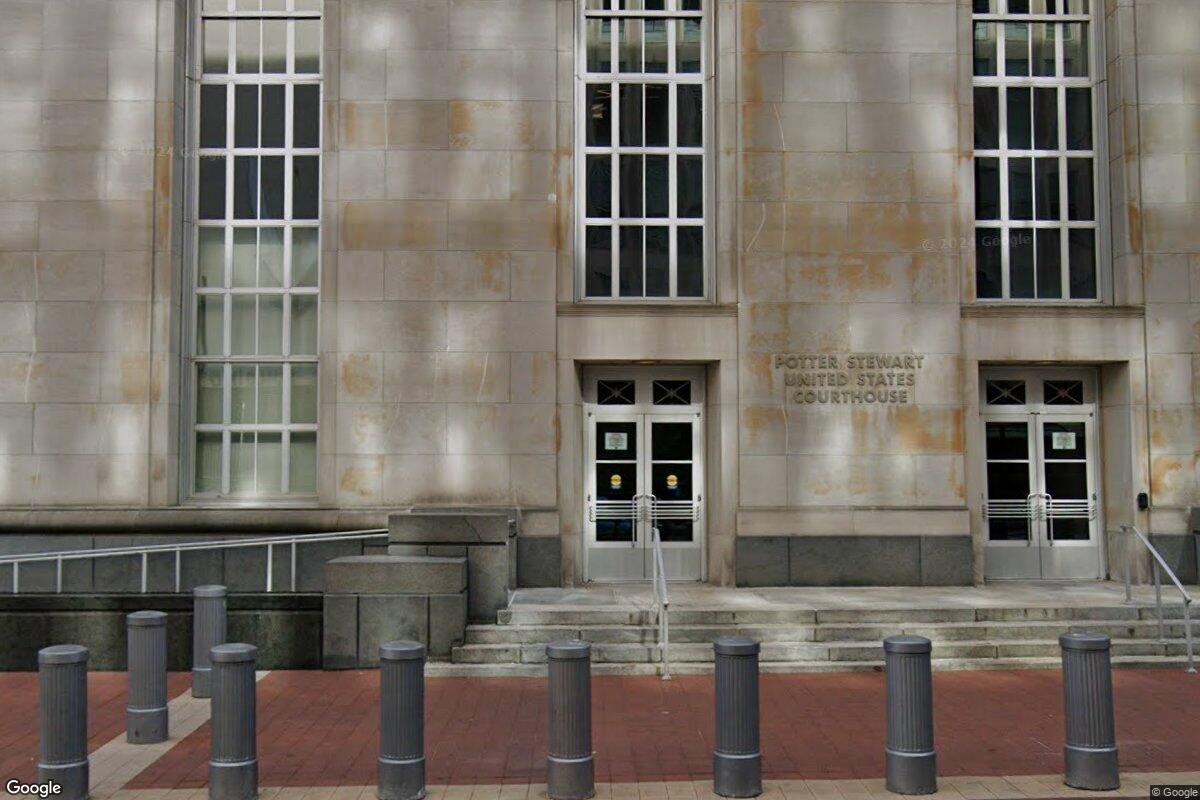
Indiana Attorney General Todd Rokita is asking a federal judge to block the planned 2028 retirement of a Rockport coal unit. The move by the Indiana AG brings legal scrutiny to a decision with local economic and energy implications, and it has quickly become a focal point in broader debates over the future of coal-fired power.
Rokita’s filing seeks court intervention to halt the scheduled shutdown, signaling concern about the potential impact on jobs, grid stability, and the regional economy. As the state’s top legal officer, the Indiana Attorney General has authority to pursue litigation that he believes protects residents’ interests—particularly when a major power plant retirement could affect electricity supply, workforce livelihoods, and tax revenues in surrounding communities.
Planned retirements of coal units have accelerated nationwide as utilities pursue cleaner energy and comply with environmental regulations. Still, closures often prompt legal and political pushback from state officials, labor groups, and local leaders worried about the short- and long-term consequences. The Rockport coal unit case underscores the tension between energy transition goals and the immediate needs of communities that rely on fossil-fuel plants for employment and tax base.
Industry observers say a federal judge’s ruling in this matter could set an important precedent for how courts balance federal regulatory processes, utility planning, and state-level concerns. Energy companies typically cite economics, regulatory requirements, and emissions reductions when announcing retirements, while state officials might emphasize reliability, contractual obligations, or statutory authority to challenge such plans.
For Rockport-area residents and stakeholders, the legal challenge means the 2028 retirement timeline may be delayed or altered depending on court action. The outcome could influence future decisions about plant retirements across the region and shape discussions on workforce transition, retraining programs, and investment in alternative energy sources.
As the case moves through federal court, attention will remain on how the Indiana Attorney General frames the legal arguments and how utilities respond. Whether the judge grants the requested injunction or allows the retirement to proceed on schedule, the Rockport dispute highlights the complex intersection of law, policy, community interests, and the evolving energy landscape.
Published on: August 5, 2026, 2:11 pm