Intel Motherboard Changes: Why PC Builders Keep Paying the Price
Intel's frequent motherboard socket and chipset changes leave PC buyers paying for compatibility headaches. Learn how this affects consumers and what to do.
Page views: 2
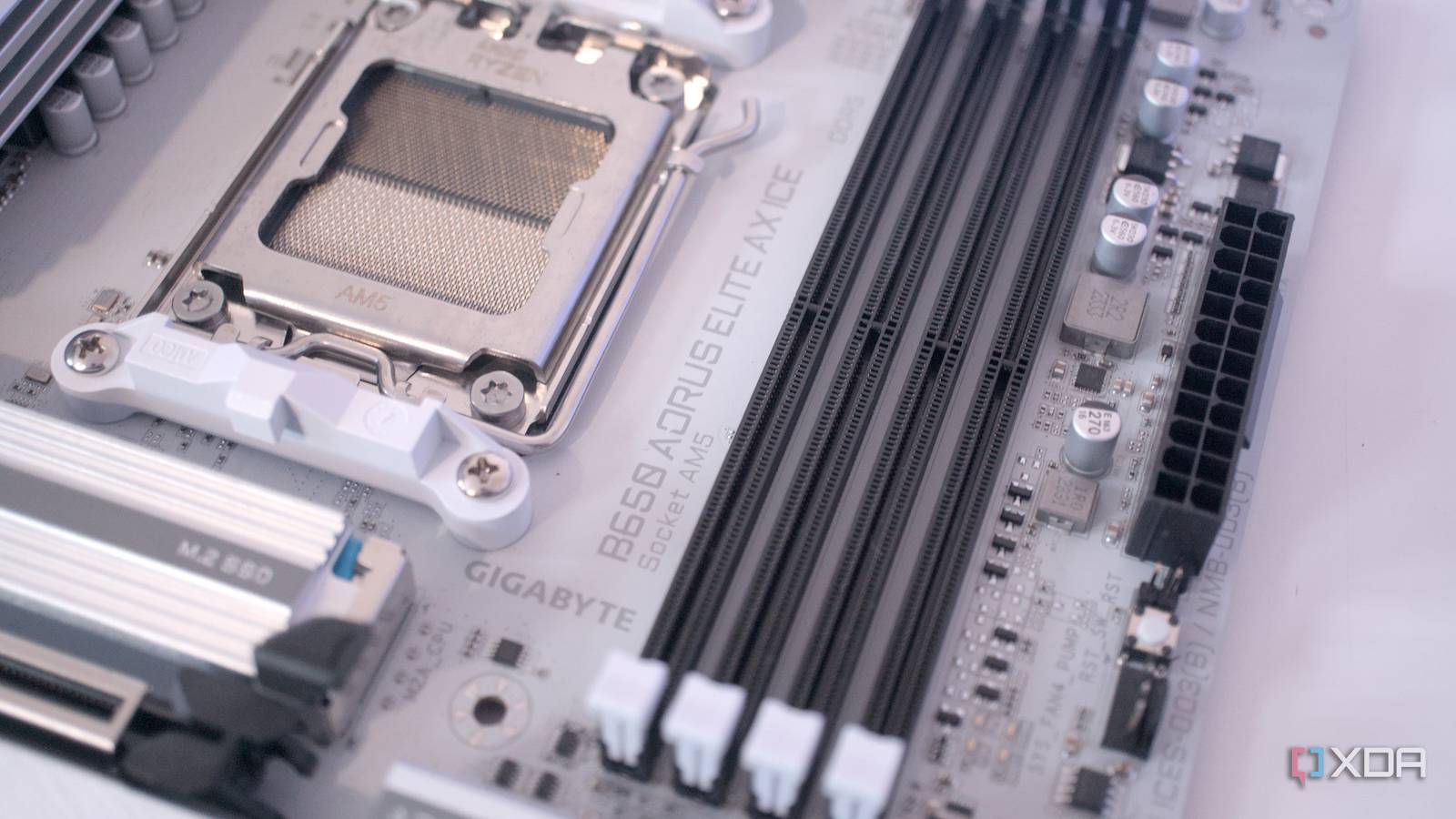
Intel's repeated shifts in motherboard sockets and chipsets have become a persistent source of frustration for PC builders and everyday consumers. From socket swaps to new Z-series chipsets, frequent platform changes mean that upgrading a CPU often requires replacing the motherboard — and paying more than many expected.
Why this matters: motherboard compatibility
Motherboard compatibility matters because sockets, chipsets, power delivery, and BIOS support all determine whether a new CPU will work with an existing board. Intel's cadence of introducing new sockets and incremental chipset revisions has shortened the useful life of many motherboards. That forces buyers into additional purchases, increases total upgrade cost, and creates confusion over which motherboards will support future CPUs.
Real-world consequences for consumers
The most direct result is higher cost. A consumer who plans to upgrade a CPU every few years may find they must replace both the processor and the motherboard more often than anticipated. There are also indirect costs: firmware headaches, driver incompatibilities, and time spent researching, buying, and installing replacement parts. Finally, frequent platform churn contributes to e-waste as still-functional motherboards are discarded.
How Intel compares and what to watch for
Intel’s strategy contrasts with vendors that prioritize longer socket lifetimes. For example, some competitors kept a single socket across multiple CPU generations, enabling easier CPU upgrades. While Intel often brings performance gains with each new platform — such as improvements in memory support, PCIe lanes, or power delivery — those gains come at the cost of shorter upgrade paths for consumers.
Practical tips for buyers
- Check CPU and motherboard compatibility lists before purchasing. - Favor motherboards with BIOS Flashback or multi-generation support when possible. - If long-term upgradability matters, consider platform longevity when choosing between Intel and alternatives. - For budget-conscious buyers, purchasing a slightly older platform with proven multi-gen support can be smarter than chasing the newest socket.
Conclusion
Intel’s frequent motherboard and chipset changes deliver technical advances but also real costs for consumers. Being informed — checking compatibility, prioritizing upgrade-friendly features, and weighing alternatives — is the best way for PC builders to avoid paying more than they should for future-proofing.
Published on: June 22, 2026, 6:11 am