KKR Leadership Doubles Down on Stock Amid Private-Credit Worries
KKR leaders increase stock holdings to signal confidence amid private-credit worries — insight for investors on KKR stock, private markets and credit risk.
Page views: 2
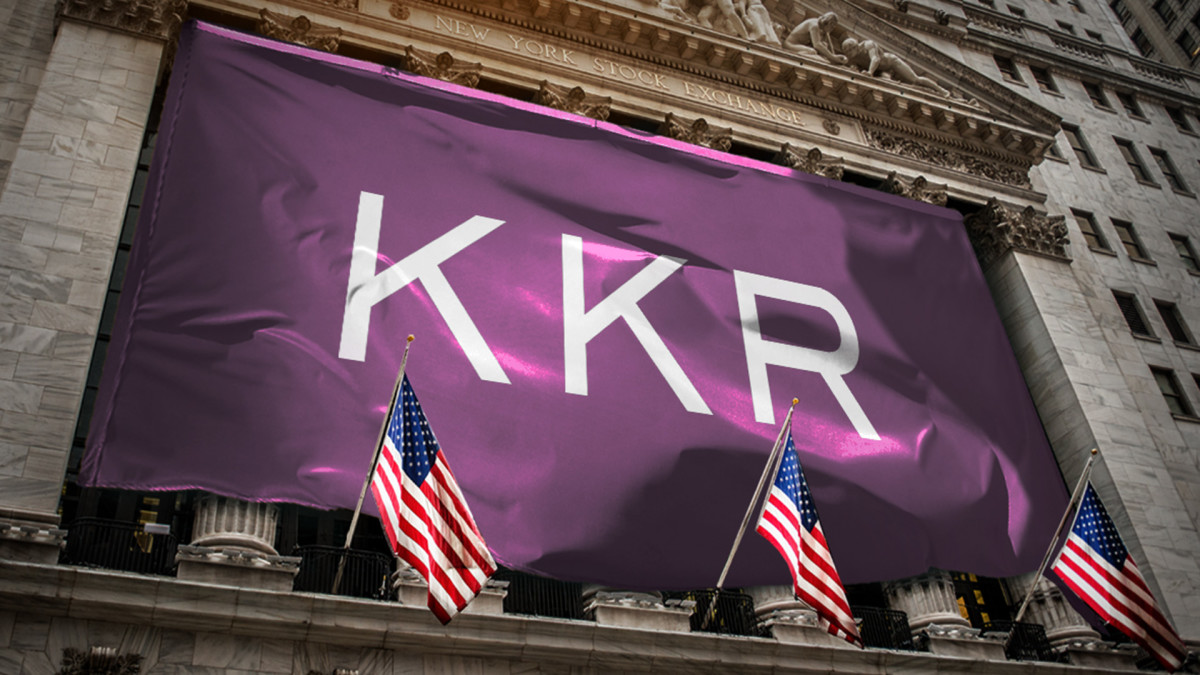
KKR leadership has publicly doubled down on company stock as concerns grow across the private-credit market. This move signals management confidence in KKR’s strategy and balance sheet even as investors weigh the risks tied to private markets and credit exposure.
Private-credit worries center on rising credit risk, slower deal activity and potential valuation stress in segments of the alternative-assets universe. For large asset managers like KKR, exposure to private credit can amplify market scrutiny when macro conditions shift. Leadership buying shares is a common way executives try to reassure investors that they believe the firm’s assets and long-term growth thesis remain intact.
For investors watching KKR stock, insider purchases from leadership often serve as a bullish signal. While insider buying doesn’t eliminate risk, it aligns management’s incentives with shareholders and can indicate confidence in future earnings and portfolio resilience. Keyword searches like KKR stock, private credit, and insider confidence have spiked among market participants seeking clarity on how private markets could ripple through public valuations.
Analysts and retail investors should remain mindful that private-credit worries are not uniform across the industry. Some funds and strategies may face greater sensitivity to interest-rate moves or liquidity constraints than others. KKR’s diversified business model — spanning private equity, credit, and alternatives — may help mitigate concentrated exposures, but it also means that shifts in private markets demand close attention from stewards and stakeholders alike.
What should investors take away? First, leadership buying is a positive signal but not a guarantee; due diligence on KKR’s credit portfolio, fee structures, and balance-sheet flexibility remains essential. Second, consider how private-credit volatility could affect earnings, distributions, and fundraising for alternative-asset managers. Finally, weigh your risk tolerance: exposure to KKR stock offers access to a leading alternative-asset platform, but it carries the same private-market sensitivities creating today’s private-credit worries.
In short, KKR’s leaders appear to be backing their company at a time of uncertainty in private credit. That alignment with shareholders is meaningful, but informed investing requires probing beyond the headline to understand portfolio composition, liquidity risk, and the broader private-markets environment.
Published on: March 9, 2026, 2:11 pm