Plunging International Graduate Enrollment Strains U.S. University Budgets
U.S. universities face sharp drops in international graduate enrollment, creating budget shortfalls. Learn causes, impacts, and strategies to stabilize revenue.
Page views: 2
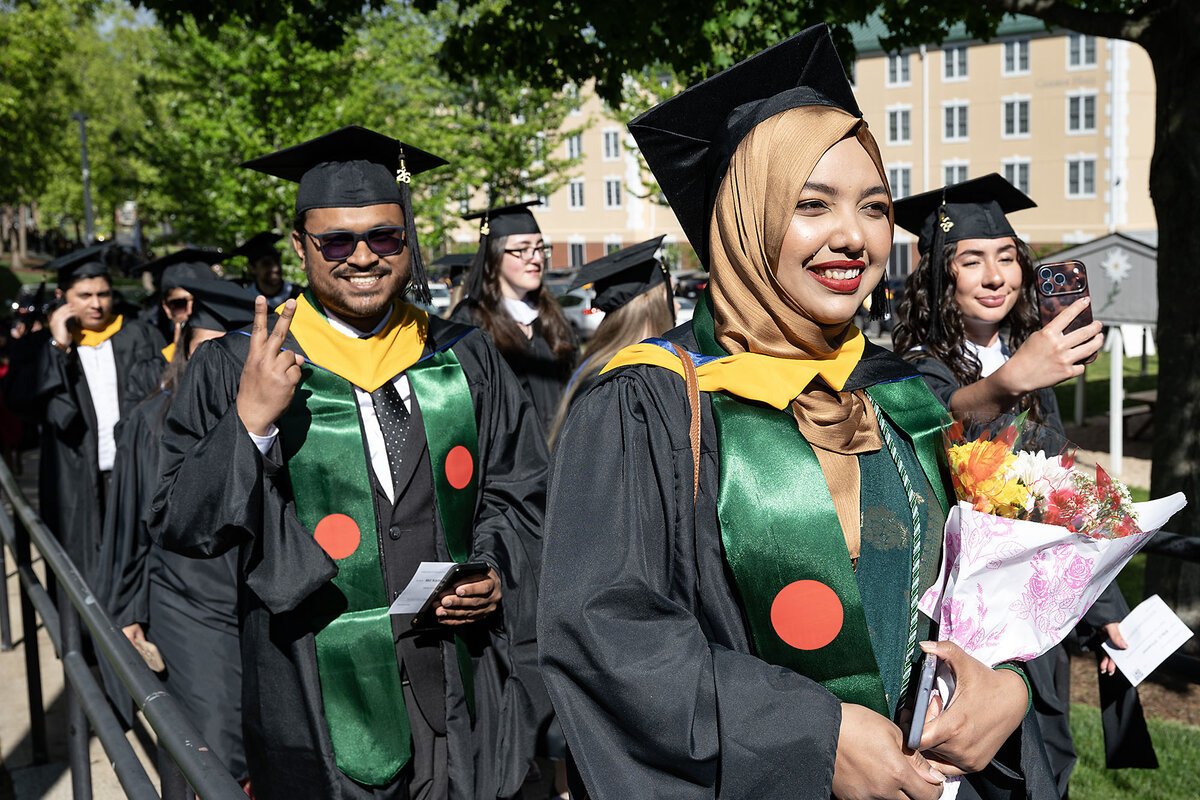
U.S. universities are confronting a sharp decline in international graduate enrollment, and the fallout is hitting campus budgets hard. For many institutions, tuition and research support from international graduate students have been a steady revenue source. As recruitment stalls, colleges face gaping holes in their financial plans.
Several factors help explain the drop in international graduate students. Stricter visa policies and longer processing times make the U.S. less attractive compared with competing destinations. Geopolitical tensions and changing scholarship priorities in sending countries also reduce the pipeline. Rising tuition, living costs, and currency fluctuations make study abroad less affordable. Finally, the pandemic accelerated alternatives — online degrees and regional study options — that compete directly with traditional U.S. graduate programs.
The financial consequences are immediate and wide-ranging. Graduate tuition and stipends often subsidize undergraduate teaching and support research labs. Fewer international graduate students mean lower tuition revenue, reduced grant overhead, and fewer teaching assistants. Departments may delay hiring, cut course offerings, or scale back research initiatives, compounding budget shortfalls. Local economies that rely on student spending also feel the impact.
Academic quality and research output are at stake as well. International graduate students frequently drive laboratory productivity, publish in top journals, and contribute to innovation. Their declining numbers can slow research progress, narrow the talent pipeline for faculty positions, and diminish the diversity of perspectives in graduate programs. That threatens long-term competitiveness for U.S. universities in science, engineering, and the humanities.
Universities are responding with a mix of short- and long-term strategies. Many are diversifying revenue streams through executive and online degree programs, professional certificates, and partnerships with industry. Targeted recruitment in emerging markets, enhanced scholarship packages, streamlined admissions, and improved visa and relocation support are being prioritized to win back international students. Some schools are reallocating internal funds to protect key research areas and maintain core graduate training.
Addressing this trend requires coordinated action: universities must adapt recruitment and program models while policymakers work to simplify visa processes and promote the U.S. as an inclusive study destination. Stabilizing international graduate enrollment is critical not only for campus budgets but for sustaining research excellence and economic benefits that depend on a global student community.
Published on: May 20, 2026, 8:11 am