Portland's 50-Year Push to Reduce Car Use: Cascade Policy Institute Launches Month-Long Series
Cascade Policy Institute launches a month-long series examining Portland's 50-year campaign to reduce car use through transit, bike lanes, and urban planning.
Page views: 2
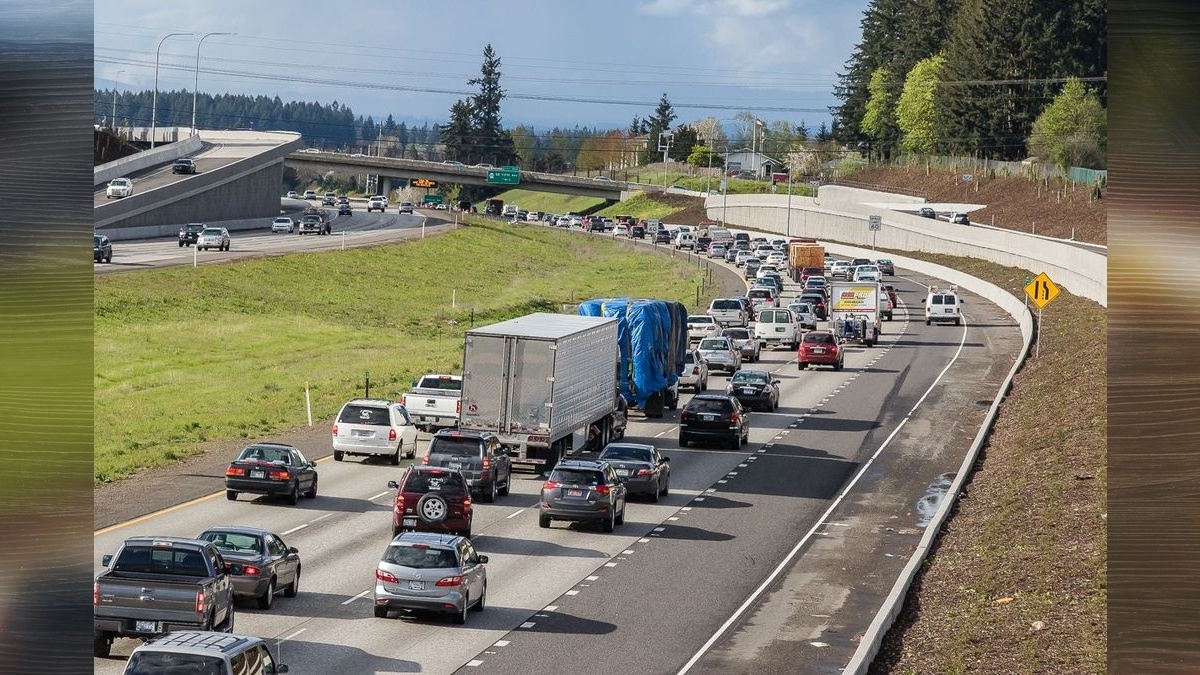
Cascade Policy Institute has launched a month-long series examining Portland's 50-year campaign to reduce personal automobile use through transit and bike-lane prioritization. The series aims to trace the evolution of transportation policy in Portland, analyze outcomes for commuters and businesses, and explore whether the city's multimodal approach delivered the intended benefits.
Portland is often held up as a national model for sustainable transportation and urban planning. Over five decades, policymakers and planners prioritized investments in light rail, frequent bus routes, protected bike lanes, and pedestrian infrastructure. This strategy of transit-first and bike-lane prioritization sought to shift commute patterns away from single-occupancy vehicles and toward more sustainable modes.
The Cascade Policy Institute series will review the policy tools used — from zoning changes and transit funding to bike-lane redesigns — and assess their measurable impacts. Topics include how transit improvements affected ridership, whether bike-lane networks changed short-trip behavior, and how the city balanced vehicle access with pedestrian and cyclist safety. The series also promises to examine economic effects on downtown businesses, suburban connectivity, and commute reliability.
Importantly, the series will surface debates that have accompanied Portland's transportation evolution. Supporters highlight reduced emissions, healthier streets, and increased transportation choices. Critics point to congestion, questions about cost-effectiveness, and concerns about equity for car-dependent residents. By presenting data, case studies, and expert interviews, the Cascade Policy Institute intends to give readers a rounded view of a complex, long-running experiment in urban mobility.
For policy makers, planners, and residents considering similar strategies, Portland's experience offers practical lessons. The series will explore where investments yielded clear returns, where outcomes were mixed, and how changing demographics and technology (for example, remote work and micro-mobility) interact with historic policy choices.
Follow the Cascade Policy Institute's month-long series to get in-depth reporting and analysis on Portland's transportation journey. Whether you are interested in transit, bike lanes, transportation policy, or urban planning, the series will provide context and evidence to inform ongoing conversations about how cities can reduce personal automobile use while supporting vibrant, accessible communities.
Published on: July 31, 2026, 2:11 pm