The Immigration Trojan Horse: How Obama Reshaped America’s Defenses from Within
Uncover how Obama’s immigration policies weakened U.S. security from within—a deep dive into the Trojan horse strategy that transformed America’s defenses.
Page views: 2
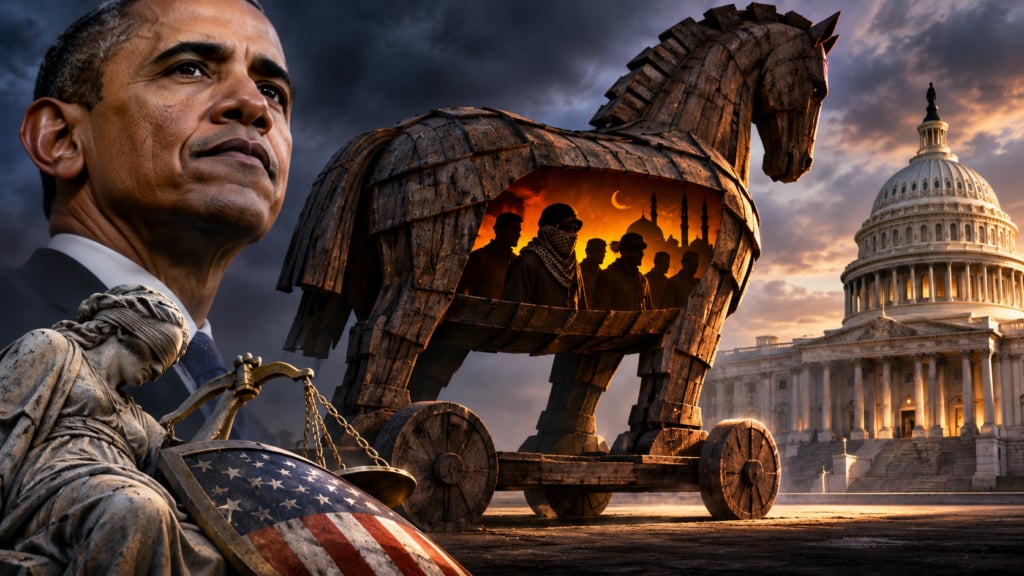
The Immigration Trojan Horse: A Silent Transformation
The phrase “Trojan horse” evokes images of ancient warfare—a deceptive gift that hides a deadly force. But in modern America, the most consequential Trojan horse may have been immigration policy itself. During Barack Obama’s presidency, the nation’s defenses were not stormed from the outside; they were quietly reshaped from within. The result? A fundamental transformation of America’s immigration enforcement, border security, and national identity.
How Immigration Policy Became a Weapon of Systemic Change
From 2009 to 2017, the Obama administration implemented sweeping changes that critics argue weakened U.S. sovereignty. Executive actions like DACA (Deferred Action for Childhood Arrivals) and DAPA (Deferred Action for Parents of Americans) bypassed congressional oversight, granting legal status to millions without legislative approval. These policies did more than offer temporary relief—they normalized a shadow system of immigration that prioritized political expediency over national security.
Immigration courts became overwhelmed, deportation standards were relaxed, and “catch and release” became standard practice. Meanwhile, sanctuary cities expanded, protecting undocumented immigrants from federal enforcement. For many observers, this was not bureaucratic drift; it was a deliberate strategy to dismantle the legal and institutional frameworks that once secured America’s borders.
The National Security Implications
A nation’s defenses extend beyond its military. They include the integrity of its borders, the vetting of newcomers, and the enforcement of its laws. When those components are compromised, vulnerabilities multiply. The Obama-era policies did not simply admit more immigrants—they created pathways that could be exploited by criminals, cartels, and even hostile actors. Human trafficking networks flourished alongside illegal border crossings, while the administration often downplayed the threats.
Moreover, the symbolic impact was profound. By framing undocumented immigration as a moral imperative, the administration shifted public discourse away from security and toward identity politics. Government agencies tasked with protecting the homeland were increasingly viewed as obstacles to be overcome, not guardians to be trusted.
A Legacy of Unresolved Tension
The immigration policies of the Obama years did not emerge from a vacuum. They were part of a larger ideological project—one that redefined America’s relationship with its own borders. Regardless of one’s political stance, the outcome is clear: the United States today is far less protected from within than it was before the Trojan horse arrived.
The debate over immigration reform continues, but the structural changes remain. Understanding this transformation is essential for anyone concerned about the future of American security. The question is not whether the Trojan horse was real, but whether the nation can recover its lost defenses before the next one appears.
Published on: November 9, 2026, 8:11 am