United Retires Airbus A320s for Fuel-Efficient A321neos to Modernize Fleet
United retires Airbus A320s for fuel-efficient A321neos, boosting capacity, cutting costs and modernizing passenger experience to improve sustainability.
Page views: 2
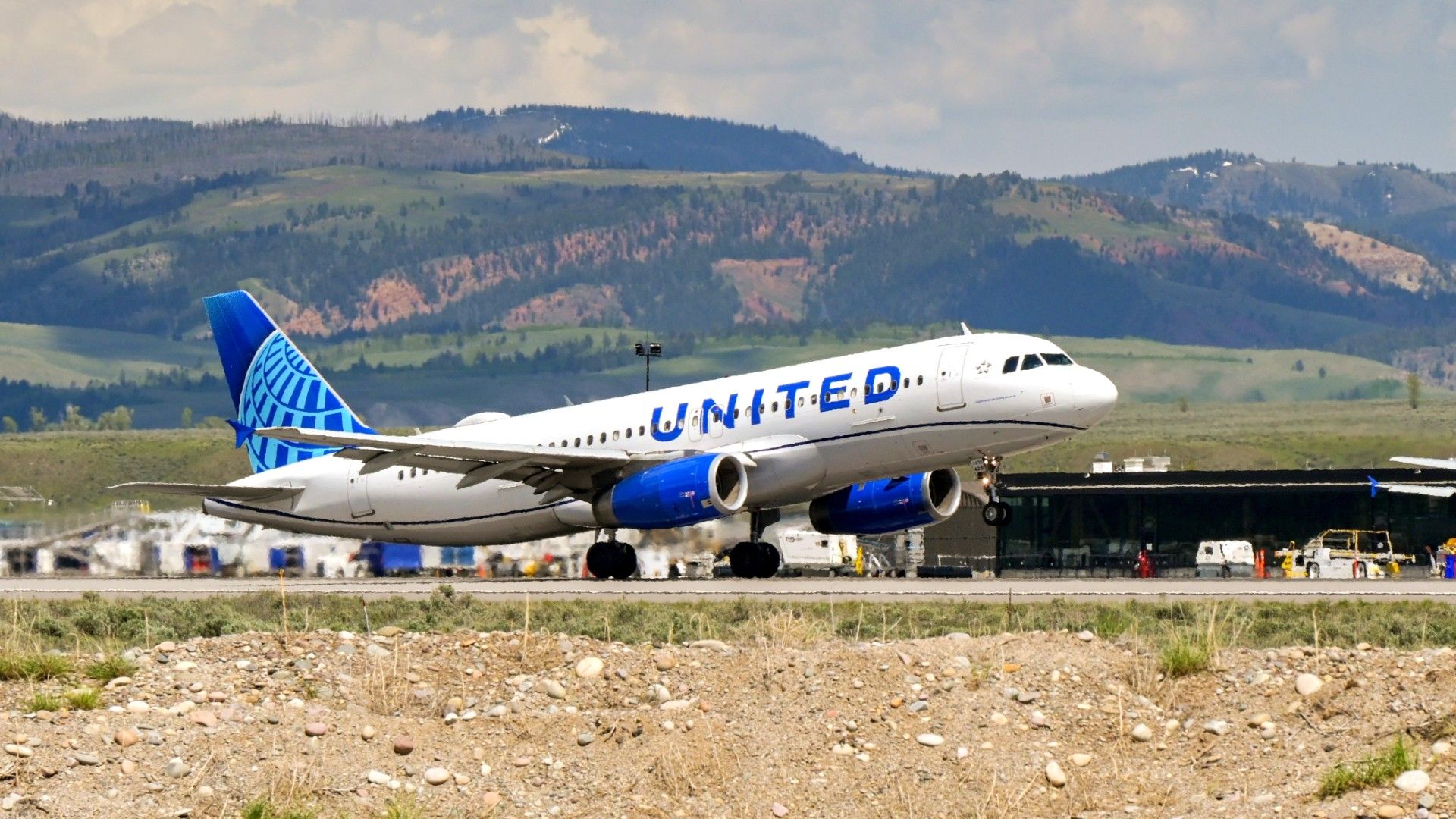
United Airlines is retiring its aging Airbus A320s and replacing them with fuel-efficient A321neos, a move that boosts capacity, cuts operating costs, and modernizes the passenger experience. This fleet modernization is part of a broader shift in the airline industry toward more sustainable aviation and smarter network planning.
The A321neo delivers notable fuel efficiency gains over older A320 variants thanks to new engines and aerodynamic refinements. For United, that translates into lower fuel burn per seat and reduced CO2 emissions across its network. These improvements support the airline’s sustainability goals while also delivering measurable cost savings on fuel — one of the largest expense items for carriers.
Capacity increase is another key benefit. The A321neo typically carries more passengers than the earlier A320s, enabling United to better align aircraft size with demand on high-traffic routes. More seats per flight means improved revenue potential and fewer flights needed to move the same number of passengers, which further lowers environmental impact and operational complexity.
Passengers will notice the upgrade, too. A321neos often feature refreshed cabins with modern seating layouts, improved overhead bin space, and updated in-flight entertainment or connectivity options. Quieter engines and a smoother ride make for a more comfortable travel experience, reinforcing the value proposition for flyers choosing United on domestic and short-haul international routes.
From an operational perspective, replacing older A320s with A321neos simplifies maintenance and enhances reliability. Newer aircraft require less downtime and benefit from manufacturer support and parts availability, which can reduce delays and cancellations. For route planners, the A321neo’s range and efficiency open up new scheduling possibilities and better frequency management.
As United phases out older Airbus A320 aircraft, the airline aims to balance environmental responsibility with passenger satisfaction and financial performance. The transition to A321neos reflects industry trends toward fuel efficiency, fleet modernization, and cost optimization — all while delivering a more modern, comfortable product for travelers.
Published on: July 15, 2026, 2:11 pm