What to Expect as Dr. Anthony Fauci Testifies Under Subpoena After Diary Release
Dr. Anthony Fauci testifies under subpoena after 1,100 diary pages were released. What will the Senate hearing mean for public trust and accountability?
Page views: 3
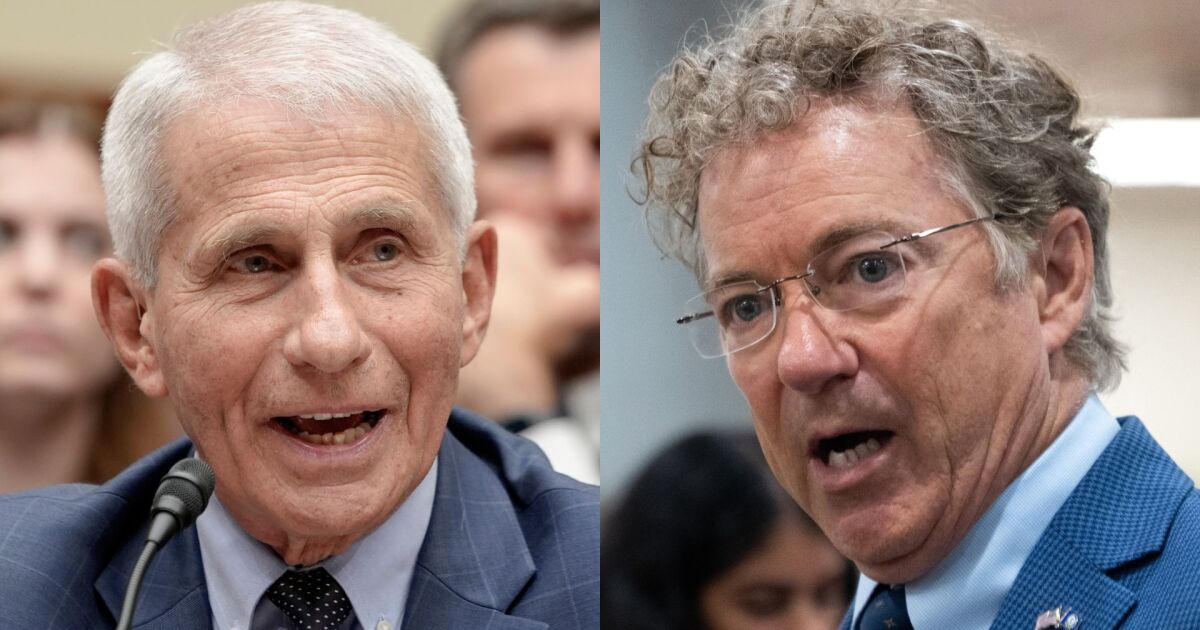
Dr. Anthony Fauci is set to testify before the Senate under subpoena this Wednesday after more than 1,100 pages from his personal diary were released to the public. The hearings promise a high-stakes mix of policy review, partisan theater, and an intense spotlight on transparency in public health leadership.
Why the diary matters: personal notes can offer insight into internal deliberations during the COVID-19 pandemic. Entries may illuminate how decisions around testing, masking, vaccine guidance, and laboratory investigations were discussed among top public health officials. For journalists, lawmakers, and the public, those details will shape expectations for Dr. Fauci’s testimony and the questions senators will press him to answer.
What the Senate hearing could reveal: the testimony may clarify timelines, decision-making processes, and who advised or influenced key policies. Lawmakers will likely probe contradictions between public statements and private notes, seek context for recommendations made to federal and state leaders, and question the role of scientific uncertainty in shaping public messaging during the pandemic.
Potential outcomes: at minimum, the hearing will generate headlines and a torrent of analysis. It could strengthen calls for greater transparency and clearer records in future public health crises. Alternatively, if the diary entries align with Fauci’s public positions, the hearing may reinforce his account and shift scrutiny toward the broader federal response. Political fallout is possible but uncertain; this proceeding is as much about public perception and accountability as it is about factual revelations.
Broader implications for public trust and policy: how the hearing is conducted and received will influence public confidence in health institutions. Clear, evidence-based explanations could restore trust; however, partisan framing risks deepening skepticism about public health guidance. The session may also prompt calls to update oversight rules, documentation practices, and communication strategies for future pandemics.
What to watch for: key takeaways will include new factual details from the diary, whether testimony resolves apparent discrepancies, and any policy recommendations that emerge. Observers should also note how senators across the aisle engage with the material—cooperative inquiry could yield constructive outcomes, while purely partisan attacks may limit the hearing’s long-term impact.
In the days after the testimony, the public and policymakers will parse both the diary pages and Dr. Fauci’s testimony for lessons about crisis management, scientific communication, and accountability in public health.
Published on: July 29, 2026, 6:11 am