Why the US Navy's V-22 Osprey Is a Fleet-Delivery Game-Changer
The US Navy's choice of the V-22 Osprey for fleet delivery is a game-changer, boosting speed, range, and logistical flexibility for modern naval operations.
Page views: 2
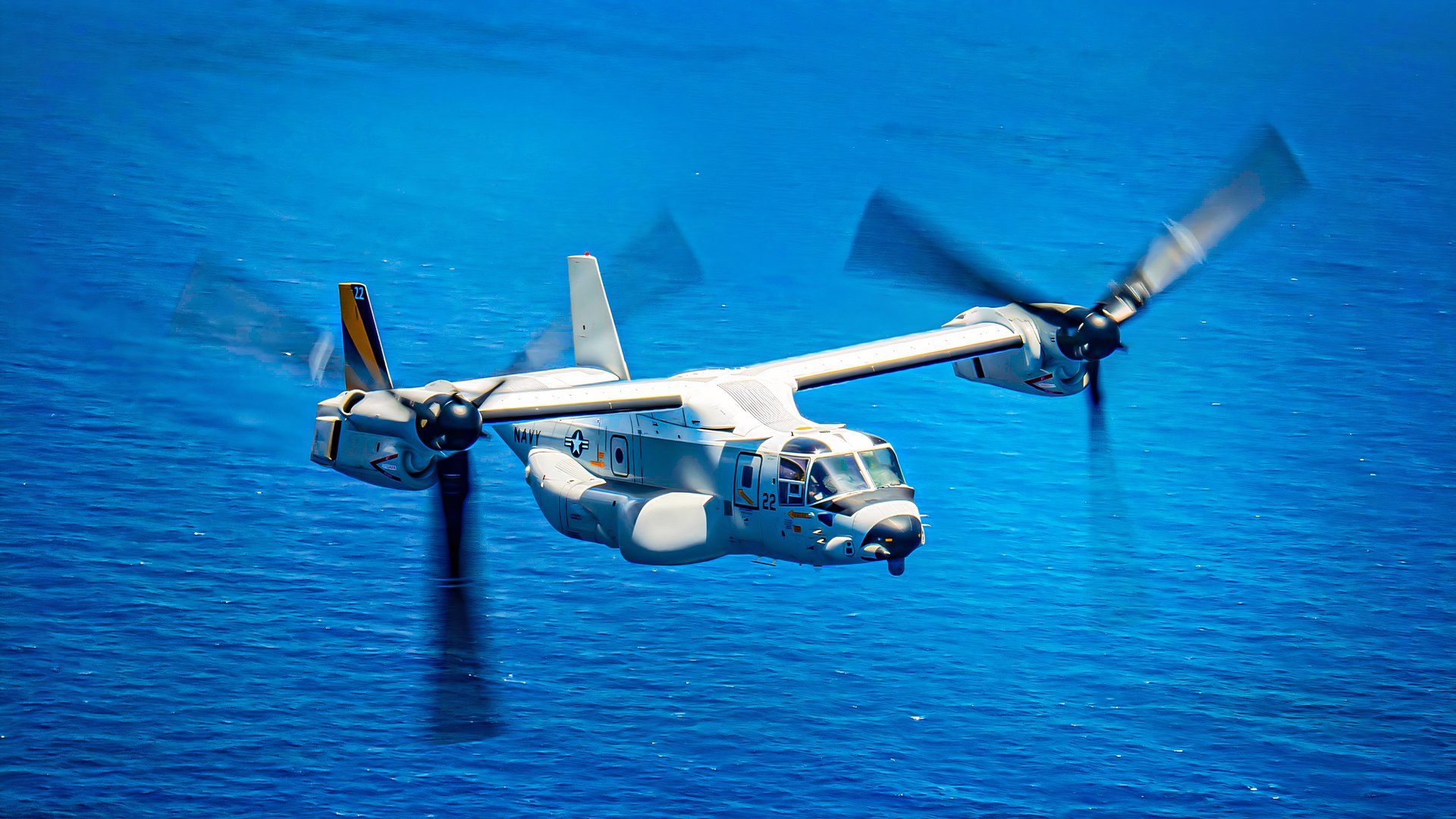
To the untrained eye, the US Navy’s decision to field the V-22 Osprey for fleet delivery might look like a downgrade from traditional fixed-wing or rotary options. At first glance, a tiltrotor that lands like a helicopter but looks unfamiliar next to carrier jets can seem like a compromise. In reality, the Osprey is a game-changer for maritime logistics and fleet operations.
The strength of the Osprey lies in its tiltrotor design, which blends vertical takeoff and landing with airplane-like speed and range. That combination transforms how the Navy approaches ship-to-shore delivery, casualty evacuation, and rapid reinforcement. Instead of long transit times from airfields or slow helicopter hops, the V-22 can move people, supplies, and critical equipment faster and farther. For commanders, that means more flexible timing, larger operational envelopes, and the ability to respond quickly across dispersed naval formations.
Fleet delivery is about more than cargo capacity; it’s about tempo and reach. The Osprey shortens the logistics chain by enabling direct ship-to-shore lifts without requiring a nearby runway or extended carrier support. This reduces the footprint needed for expeditionary operations and supports amphibious assault, humanitarian missions, and rapid resupply in contested environments. Its speed also enhances medevac response times, improving survivability and mission continuity.
Concerns about maintenance, cost, and complexity are valid and have been part of the Osprey’s public debate. Tiltrotor aircraft require specialized training and sustainment practices. However, when balanced against the operational gains—greater range, higher cruise speed, and the ability to operate from smaller decks—the net impact favors increased capability. In practice, the V-22 expands what the US Navy can accomplish with the same number of platforms.
Adopting the Osprey for fleet delivery is a strategic shift, not a step back. It redefines logistics for modern naval warfare by prioritizing speed, flexibility, and reach. As maritime operations become more distributed and time-sensitive, platforms like the V-22 will be central to keeping ships supplied, troops mobile, and missions adaptive—proving that what looked like a downgrade is in fact a game-changer for the fleet.
Published on: August 8, 2026, 12:11 pm